Your baby's growth and development — 12 months old
10-minute read
Key facts
- At 12 months old, your baby is active and learning through play and exploration.
- Many babies can sit, crawl, pull up to stand and cruise along furniture.
- Most sleep happens at night, with about 2 daytime naps, but this can vary.
- Your baby eats a wide range of solid foods and can join family meals, without added salt or sugar.
- Your baby will have a 12-month health check and scheduled vaccinations.
My 12-month-old baby
At 12 months old, your baby is very active and learning quickly through play and interaction with other people. They enjoy exploring toys and their surroundings.
They can usually sit without support, pull themselves up to stand and move around furniture. Your baby may use their hands to grasp, poke, throw objects and feed themselves finger foods.
At 12 months old, most sleep happens at night. Babies often have around 2 naps a day, but this can vary. It is still normal for your baby to wake at night.
Your baby may also be teething at this age. This can be uncomfortable and your baby may seem unsettled, drool more and want to chew on things. You can help by offering safe teething toys and giving extra comfort.
At 12 months old, your baby will have their 12-month health check and scheduled vaccinations. Babies who are Aboriginal and/or Torres Strait Islander may be offered an additional vaccine.
Solid foods and drinks
At 12 months old, many babies eat a wide range of solid foods. Offering a wide range of foods helps your baby get the nutrients they need and supports healthy eating habits later in life.
Here are some things to keep in mind when feeding your baby:
- Offer foods from all 5 food groups each day, including vegetables, fruit, grains, dairy products and protein foods.
- Include iron-rich foods such as meat, fish, eggs, legumes and tofu.
- Your baby can eat the same nutritious foods as the rest of the family, without added salt or sugar.
At 12 months old, most babies can manage chopped or mashed family foods. Offering lumpier textures helps chewing skills and mouth development.
Always supervise your baby while they are eating. Avoid small, hard foods such as whole nuts, raw carrot and apple pieces, as they can cause choking.
If you are breastfeeding, your baby may start to wean or you may decide it's the right time to stop. There's no need to stop breastfeeding unless you want to. You can continue breastfeeding for as long as you and your baby choose.
From 12 months old, offer your baby water and full-cream pasteurised cow's milk as drinks. Avoid low-fat or reduced-fat milks until after 2 years of age. Offer drinks in a cup rather than a bottle. Avoid fruit juice, sweetened drinks, tea and coffee.
If your baby has a known food allergy or if your child has a special diet, talk to a maternal child health nurse or dietitian for advice.
Read more about how much food your baby needs at 12 months old.
How is my baby growing?
At 12 months old, your baby is growing steadily, but usually not as fast as in the early months.
Your baby will grow at their own rate, and it's not helpful to compare your baby's growth with other babies.
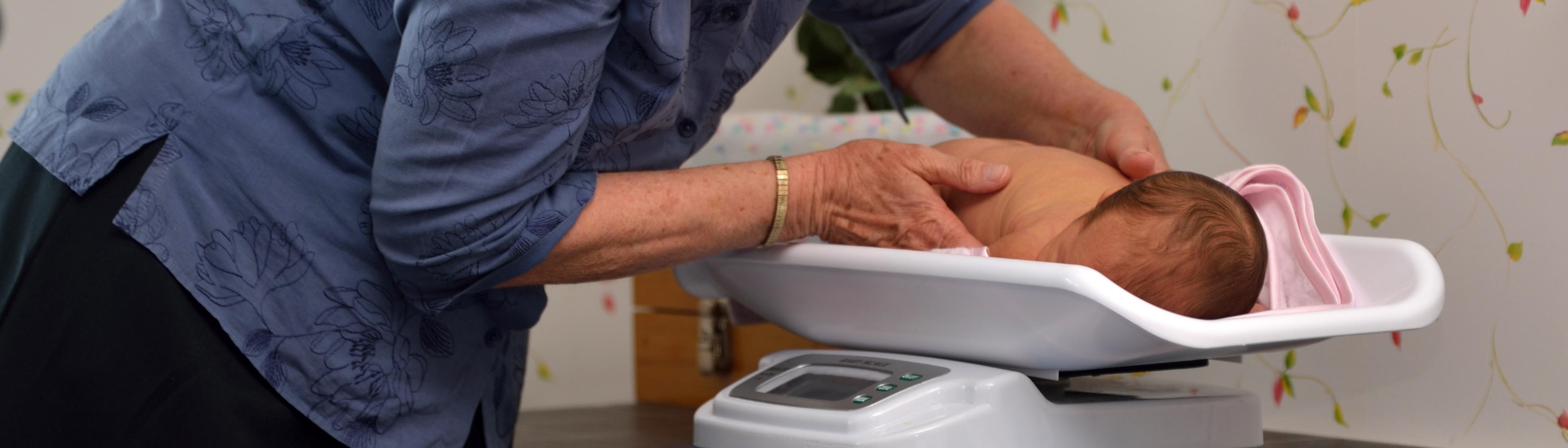
Your baby's weight and length will continue to be checked at regular health checks up to 2 years of age. These measurements are compared with standard growth charts to make sure your baby is growing steadily.
Understanding baby growth charts
A growth chart helps you and your doctor keep track of how your baby is growing.
What can my baby do at 12 months old?
While every baby develops at their own pace, there are things that babies and children are generally expected to be doing at each age. These are called 'milestones'.
Physical development
At 12 months old, your baby may:
- sit on their own
- crawl to move around
- pull themselves up to stand using furniture or by holding someone's hand
- walk while holding someone's hand or stand on their own for a moment
- catch a rolling ball and hold a bottle
- pick up small objects using their thumb and finger
- release objects on purpose, such as dropping a block into a cup
Don't worry if your baby isn't crawling. Some babies never crawl and go straight to walking.
Your baby may also grasp a spoon in their palm but may find it difficult to get food into their mouth. They may also use their hands to feed themselves and drink from a cup with help.
Keep your baby safe by making sure anything dangerous — such as electrical cords, unstable furniture and hot drinks — is well out of reach. Be aware that your baby may also try to climb stairs.
Cognitive development
At 12 months old, your baby may:
- look for an object that is hidden, even if they did not see it being hidden
- learn through trial and error by trying different actions to see what happens
- enjoy cause-and-effect toys, such as pressing a button to make something pop up or pulling a string to hear a sound
- put something in a container, such as a block in a cup
Your baby may enjoy:
- banging 2 objects together
- dropping toys to be picked up and handed back, then dropping them again
- looking at their image in a mirror
- playing with water
- looking at picture books
- sound-making toys and music
Social development
At 12 months old, your baby may:
- use gestures to interact with others, such as waving bye-bye
- copy simple actions, for example clapping hands
- seek attention, for example by moving their arms or legs
Many babies show signs of separation anxiety and may feel unsure around strangers.
Emotional development
At 12 months old, your baby may:
- use gestures to express needs, such as reaching or pointing to ask for something
- show frustration or refusal, for example by pushing away or arching their body
- enjoy playing games, such as pat-a-cake
- offer you a toy but not release it
Many 12-month-olds can show early awareness of others' emotions when another person is upset. They often feel most comfortable exploring and playing while you are nearby and may return to you for reassurance.
Language development
At 12 months old, your baby may:
- turn when their name is called
- respond to simple, familiar instructions, such as 'give me the cup'
- babble using different sounds and say simple words such as 'dada' or 'mama'
- imitate hand clapping and sounds
- use sounds and gestures together to communicate, such as pointing while vocalising
- shout to attract attention
- enjoy finger rhymes
Read more about learning to talk.
How can I help my baby develop?
You can support your baby's development by playing, talking and responding to them during everyday activities.
Here are tips to help your baby develop:
- Give lots of cuddles and comfort to help your baby feel safe, especially if they show separation anxiety.
- Talk often using simple words, say your baby's name and respond when they babble or point.
- Sing songs, read colourful picture books and copy sounds together.
- Play simple games such as peek-a-boo, hiding toys and taking turns with objects.
- Encourage learning with blocks, containers, shape sorters and simple puzzles.
- Support movement by allowing safe crawling, cruising and practising early walking with help.
When should I see my doctor or maternal child health nurse?
Talk to your doctor or maternal child health nurse if your baby:
- is not responding to carers
- doesn't babble or isn't making sounds
- does not sit without support or show attempts to move, such as crawling or pulling up to stand
- is not playing with their hands or feet or passing toys between their hands
- is not interested in toys
- is having ongoing difficulties learning to eat solid foods
- seems very uncomfortable during teething
At any age, it's important to speak to your doctor if your baby has stopped doing something they had already learned to do. This is sometimes called 'regression'.
Don't wait if you are worried. If something doesn't feel right, talk to your maternal child health nurse or doctor. Ask for a developmental check.
Questions to ask during your baby's 12-month health check
At your baby's 12-month health check, you can talk with your doctor or maternal child health nurse about how your child is growing, learning and staying healthy.
You may want to ask questions about:
- how your child is learning new skills and meeting milestones
- healthy eating
- looking after your baby's teeth
- sleep routines and night waking
- immunisations and vaccinations and what's due next
- keeping your child safe at home and outside, including sun safety
- your child's growth and development
You may also want to ask questions about other issues that may arise, such as:
- sibling relationships and managing rivalry
- positive parenting and building a strong bond with your baby
- your own mental health and wellbeing
- smoking and vaping around children
- going to playgroup, choosing early childhood education or other social activities or care services
Read more about returning to work after having a baby.
Resources and support
If you are worried or would like to discuss any issues with your baby's development, speak to your doctor or maternal child health nurse.
You can also reach out to these support groups:
- The Australian Children's Education and Care Quality Authority has information about your child's development from 8 to 12 months old.
- The Australian Breastfeeding Association has information about weight gain and growth patterns in breastfed babies.
- Children's Health — Queensland Hospital and Health Service has a fact sheet on development skills and activities from 8 to 12 months old.
- Tresillian has information on baby milestones and development.
- Child Health Info has a child development guide from birth up to 12 months old.
- For more information on weaning, contact your midwife or lactation consultant or call the Breastfeeding Helpline.

Speak to a maternal child health nurse
Call Pregnancy, Birth and Baby to speak to a maternal child health nurse on 1800 882 436 or video call. Available 7am to midnight (AET), 7 days a week.
Subscribe to Pregnancy, Birth and Baby's monthly newsletter for more information about your baby.
Languages other than English
Find information in a range of community languages about your 12-month-old baby's development.
The Government of Western Australia Child and Adolescent Health Service has translated child health fact sheets in languages other than English.
Information for Aboriginal and/or Torres Strait Islander peoples
SMS4 Deadly Dads helps First Nations dads connect with their bub, support mum and look after themselves.
Get Up and Grow is a resource for Aboriginal and/or Torres Strait Islander peoples about the first foods you will feed your baby.
Australian Breastfeeding Association has breastfeeding resources for Aboriginal and/or Torres Strait Islander peoples.