Baby safety
Accidentally eating unsafe foods (ingesting questionable foods)
Avoid unsafe foods like expired, mouldy, or contaminated items. Watch for symptoms and seek medical help if needed.
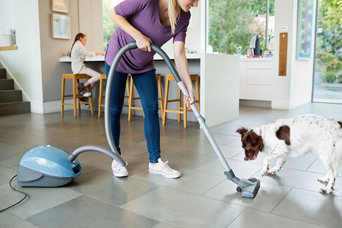
Airborne allergies around your home
Allergens found around your home include dust and pollen. Help your child with their allergies by learning about symptoms, prevention and treatment.
Babies and swimming
Find out all you need to know about getting your baby used to water and starting swimming lessons. Learn how to keep them safe around water.
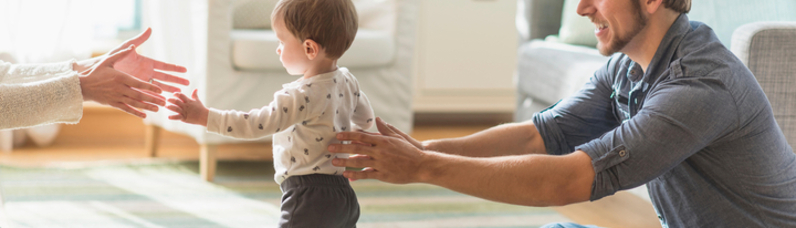
Baby walkers and exercise jumpers: why they're best avoided
Baby walkers and exercise jumpers can delay walking development and are dangerous. They are not recommended by the Australian Government and experts.
Car and road safety for babies and children
Babies and children need to use car seats or seatbelts that are properly fitted and suited to their age and size when travelling in a car.
Choking, suffocation and swallowed objects
Babies and children have small airways that can be easily blocked. Some foods and common household objects can cause choking and suffocation.
How to choose safe toys for your child
Toys play an important role in your child's development. Find out more about safety standards for chidren’s toys including size, weight and materials.
First aid for babies and children
It's important to learn first aid for kids if you are a parent or carer. Find out more about first aid techniques and how to get first aid training.
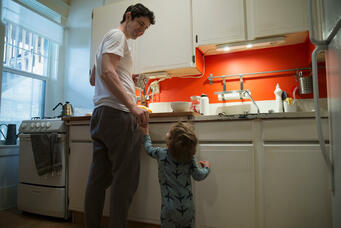
Food preparation and safety
Food poisoning can be avoided by correct food preparation and safety in the kitchen. Learn more about food storage, preparation, and cooking.
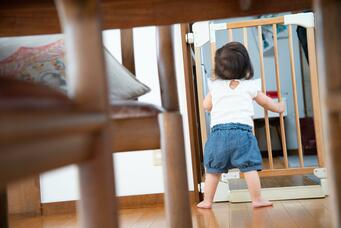
Guide to preventing your baby having falls
Babies can move fast! Once they learn to crawl, this puts them at risk of falling. Use this guide to learn how to keep them safe.
Hand washing
Hand washing is also one of the most important ways to prevent the spread of infection by the accumulation of germs on your hands.
Keeping children safe around medicines and poisons
Learn how to make your home a safer place for children by reducing the risk of poisoning and what do if your child swallows a poison.
Passive smoking and vaping
Passive smoke and vapour can damage your health if you breathe it in, especially for babies, children and pregnant women. Learn about the risks.
Pregnant women, children and bushfire smoke
Bushfire smoke contains toxic gases and airborne particles which can be harmful to your health. Learn how to stay safe during bushfire season.
Preventing burns and scalds in children
Read about hot water safety and other ways to help prevent burns and scalds in the home. Taking simple steps can make your home safer for children.
Preventing falls for babies and children
Falls are one of the most common causes of injury in babies and young children. Learn how to prevent falls and what to do if your child does have a fall.
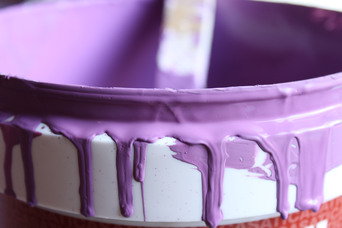
Protecting your child from lead poisoning
It’s important to protect your child from lead poisoning which can cause serious health problems. Learn more about the symptoms of lead exposure here.
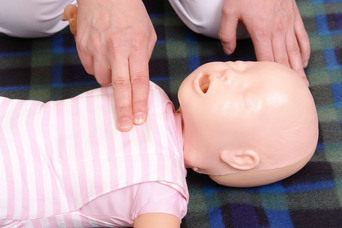
Resuscitation for babies and children
If your child is not breathing normally or their heart has stopped, knowing cardiopulmonary resuscitation (CPR) could save their life.
Summer survival guide
Find out how to keep you and your baby cool and safe during the summer months.
Sun and heat protection for babies and kids
Babies and kids can easily get sunburnt, even if it's cool or overcast. Read on to learn how to protect your child from heat, dehydration and sunburn.
Swallowed objects
Find out what to do if your child swallows an object, what to look out for and when to see your doctor.
Treating burns and scalds in children
If your child has a burn or scald, find out what to do and how to give the right first aid. Quick and calm action can help reduce pain and prevent further injury.

Water safety for babies and children
Babies can drown in as little as 5cm (two inches) of water. Drowning is silent so you won’t necessarily hear any noise or struggle.