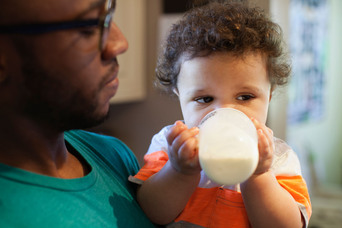
Feeding your baby
Feeding your newborn baby
One of the most important choices you need to make as a new parent is how you will feed your baby. Find out about the different options available.
How your baby tells you they're hungry
Hunger cues are how your baby shows you they are hungry. Every baby is different, and it can take time to learn what your baby is telling you.
Breastfeeding your baby
Breastfeeding provides all the nutrition your baby needs during their first 6 months of life. Find out all you need to know about breastfeeding.
Feeding your baby with formula
Learn about infant formula feeding for your baby and how formula is different to breastmilk. Find out how to choose between types of formula.
How to make baby formula
Use this handy guide to learn how to prepare formula for your baby, as well as some tips on heating and how long you can keep formula.
Bottle feeding your baby
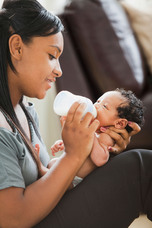
You can use a bottle to feed your baby expressed breast milk or formula if you are unable or choose not to breastfeed.
Expressing and storing breast milk
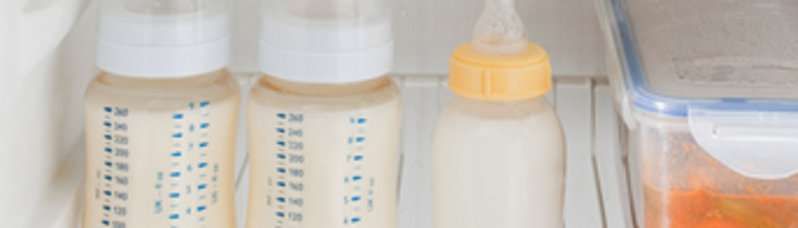
Learn how to express milk from your breasts by hand or with a pump. Expressed breast milk can be stored and fed to your baby later.
Storing expressed breast milk
Use this handy infographic to find out how long you can keep expressed breast milk and how to safely defrost and heat.
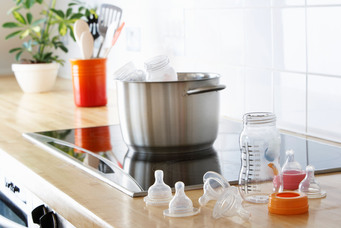
Cleaning and sterilising baby bottles
Until your baby is 12 months old you should sterilise bottles before you use them. Clean equipment helps protect your baby from germs and infections.
Balancing introducing solids with milk feeds
A balanced diet is important for your baby’s development. Learn about how to introduce solids to your baby’s diet while maintaining milk feeds.
Expressing breast milk during pregnancy
Colostrum, the first breast milk, is high in antibodies. It can be expressed before you give birth. Learn if expressing colostrum is right for you.
Let-down reflex
Your let-down reflex is a response from your body that lets breastmilk flow. Learn more about when your let-down reflex and how to encourage it.
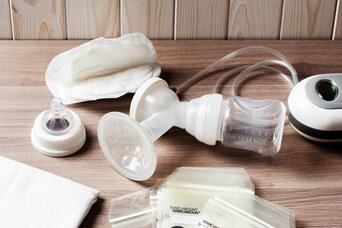
Breast pumps
Find out why you might need a breast pump to express milk. Learn what types there are and where to get one.
Breastfeeding and biting
It's common for babies to bite during breastfeeding. Learn why your baby bites, how to manage biting, as well as when to seek help.
Breastfeeding and breast refusal
Breast refusal can be frustrating for you and your baby. Find out why they might be refusing and how to help them feed from your breast.
Breastfeeding while pregnant and tandem feeding
Most people can carry on breastfeeding while pregnant and after giving birth. You can find out more about this and tandem feeding here.
Cluster feeding
Cluster feeding is when your baby wants lots of short feeds over a few hours. Find out when your baby is most likely to do this, and how to cope.
Donor breastmilk and milk banks
Learn how and when donor breastmilk can be used to feed babies. Donor milk from a milk bank can be especially helpful for premature or unwell babies.
Night feeding
Night feeding is when your baby feeds at night and is common for babies in their first year of life. Learn how to establish a routine and manage night feeding.
Oversupply of breastmilk
Oversupply or hyperlactation is when you make more milk than your baby requires. Find out here what to do if you have too much breast milk.
Introducing solid food
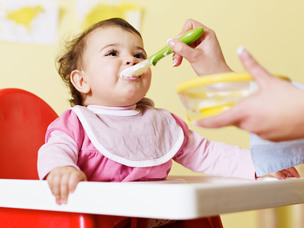
By the time your baby is about 6 months of age, breast milk or formula will no longer provide all the nutrition they need for healthy growth.
How and when to introduce solids - video
Find out when you can start introducing solids, the signs your baby is ready and how to get started.
Allergy foods and diets
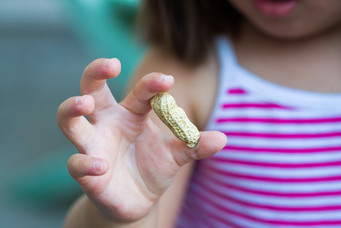
Allergy foods are foods and drinks which can cause of allergic reactions in children. Learn how to best introduce these types of foods your children and what to do if your child does have an allergic reaction.

How to introduce allergy foods
You can gradually introduce foods that sometimes cause an allergic reaction to your baby's diet. Learn how to do this safely.
How much food at 6 to 12 months?
When you start to introduce solids at around 6 months-old, your baby will discover new tastes and textures. This handy guide will get you started.
How much food at 1 year?
By the time your baby turns one, they should be eating a variety of different foods.
How to increase breastmilk supply
There are many reasons why you may have low breastmilk supply. Learn how breastmilk production works and how you can increase it.
Milk allergy and lactose intolerance in babies and children
Some babies and children have a milk allergy or lactose intolerance. Learn about the symptoms and treatment of milk allergy and lactose intolerance.
Mixed feeding
Mixed feeding is when a baby is fed formula as well as breast milk. If you plan to mixed feed, learn how manage it, and when to get help.
Weaning
Weaning is when you stop breastfeeding your baby or toddler. Find out how to start reducing breastfeeds and weaning your child to a bottle or cup.
Vegetarian and vegan feeding guide for babies
If your baby is ready for solids and you plan to give them a vegetarian or vegan diet, take care that they get adequate nutrition. Read our tips.
When can babies drink water?
You may wonder when it is safe to start giving your baby water. Whether you are breastfeeding or formula-feeding, learn how and when to get started.