When birth doesn't go to plan
Assisted birth (forceps or ventouse)
Assisted birth is when specific instruments are used to help during vaginal delivery. Learn about types of assisted birth and when it’s recommended.
Birth injury (to the baby)
Giving birth in Australia is very safe, but sometimes during birth, the baby suffers an injury. Learn about birth injury causes, types and treatments.
Birth injury (to the mother)
Birth injuries to the mother, such as perineal tears and pelvic floor damage can sometimes occur. Support and treatment is available.
Breech pregnancy
When a baby is positioned bottom-down late in pregnancy, this is called the breech position. Find out about 3 main types and safe birthing options.
Episiotomy
An episiotomy is a procedure that can be done during a vaginal birth. Read about when and why an episiotomy may be needed and your recovery afterwards.
External cephalic version (ECV)
ECV is a procedure to try to move your baby from a breech position to a head-down position. This is performed by a trained doctor.
Fetal distress
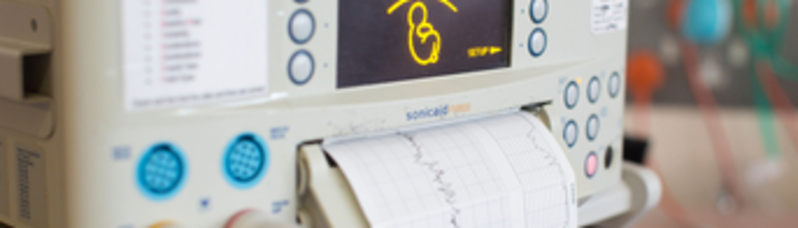
Fetal distress refers to changes in your baby' s heartbeat that may signal a problem. Your baby may need closer monitoring or an assisted birth.
Fetal heart rate monitoring
During pregnancy and labour, your baby's heart rate can be checked. Read about fetal heart rate monitoring and the different ways it can be done.
Induction of labour
Induction of labour is when labour is started with medical treatment. Read about the reasons why you may be induced and the different methods used.
Interventions during labour
An 'intervention' is an action your midwife or doctor may recommend to help with the birth of your baby. Read about different types of interventions.
Malpresentation
Malpresentation is when your baby is in an unusual position as the birth approaches. It may be possible to move the baby, but a caesarean may be safer.

Perineal tears
A perineal tear is an injury to the area between the vagina and anus that can happen during birth. Learn how it's treated and how to reduce your risk.
Retained placenta
Retained placenta is when some of the placenta stays in your uterus after your baby is born. It can lead to serious infection or blood loss.
Shoulder dystocia
Shoulder dystocia is when a baby's shoulder gets stuck during childbirth. Read more about shoulder dystocia, including causes and treatments.
Slow progress in labour
Slow progress in labour can also be called prolonged labour. Read more on what happens when labour doesn't go as quickly as expected.
Stretch and sweep
A stretch and sweep or membrane sweep is a way of trying to start labour naturally. Find out more about the risks and benefits of a stretch and sweep.
Umbilical cord prolapse
Umbilical cord prolapse is when the umbilical cord is in your vagina, after your waters break. This medical emergency risks your baby's oxygen supply.