
Speak to a maternal child health nurse
Call Pregnancy, Birth and Baby to speak to a maternal child health nurse on 1800 882 436 (Opens in new tab) or video call. Available 7am to midnight (AET), 7 days a week.

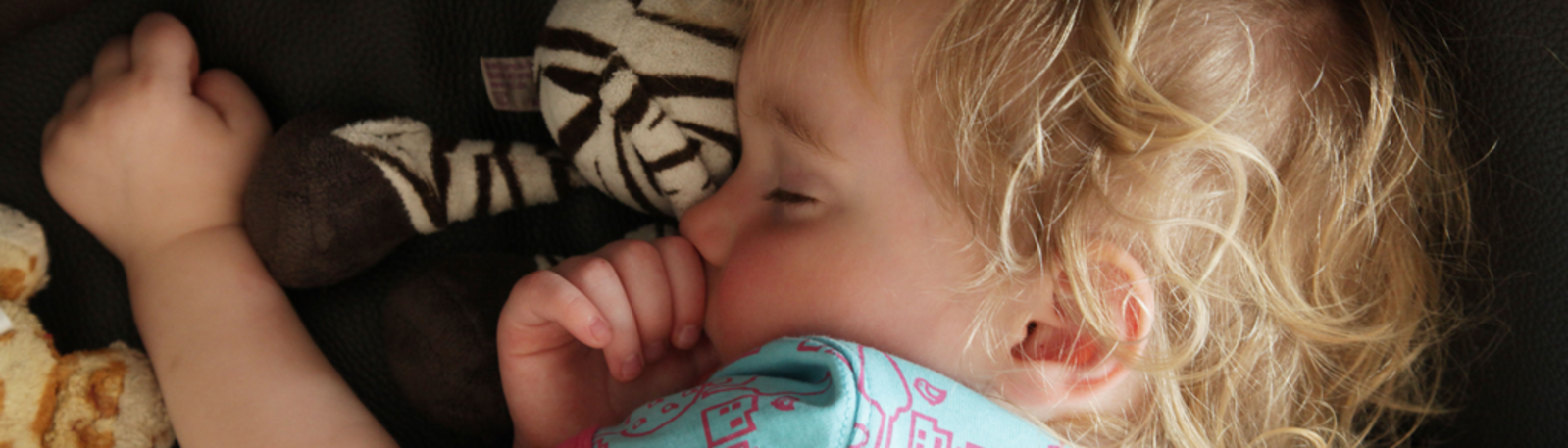
Some children grind their teeth or clench their jaw, especially during sleep. The medical term for this is 'bruxism'.
You may notice the sound of teeth grinding when your child is asleep. These may be grinding noises or tapping sounds.
Sometimes children who grind their teeth during sleep also:
The causes of teeth grinding in children are not properly understood. It may be related to stress and anxiety.
Some children who grind their teeth get:
Sometimes, teeth grinding can lead to problems with your child's teeth. It can:
Most children stop grinding their teeth on their own. This usually happens around the age of 9 or 10 years. For many children, you can keep an eye on the situation and wait for them to naturally stop grinding their teeth.
Relaxation techniques may be recommended for young children with bruxism. If you think your child grinds their teeth because of stress, it might help to relax them before bedtime, for example by:
It may also help to avoid caffeine (such as in chocolate) before bedtime.
Your doctor may also recommend your child sees a physiotherapist.
Sometimes, if grinding is causing tooth damage, your dentist may suggest a special soft mouth splint for protection.
If you suspect your child is grinding their teeth, visit your child's dentist. They can check your child's teeth for any problems.
You should also see your doctor for advice on treatments for teeth grinding.

Call Pregnancy, Birth and Baby to speak to a maternal child health nurse on 1800 882 436 (Opens in new tab) or video call. Available 7am to midnight (AET), 7 days a week.
Find out how we develop and review our content.
Last reviewed: June 2023

